Free calorie & nutrition tracking
This is the personal blog of RestinCal's creator, not professional nutritional advice. The posts are based on personal experience, tracking and an interest in the topic.
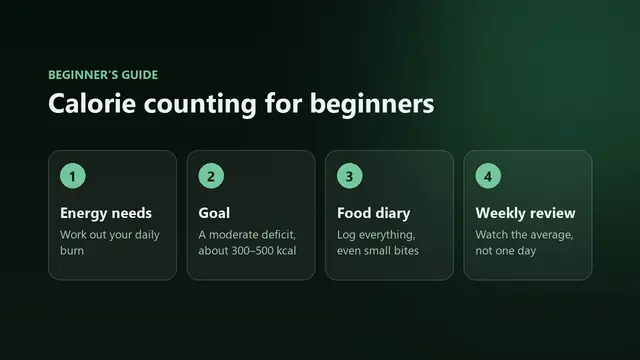


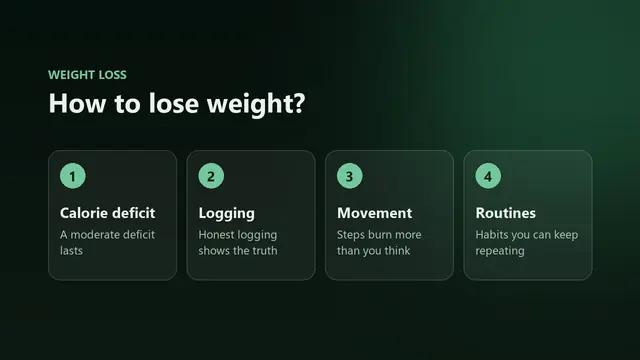

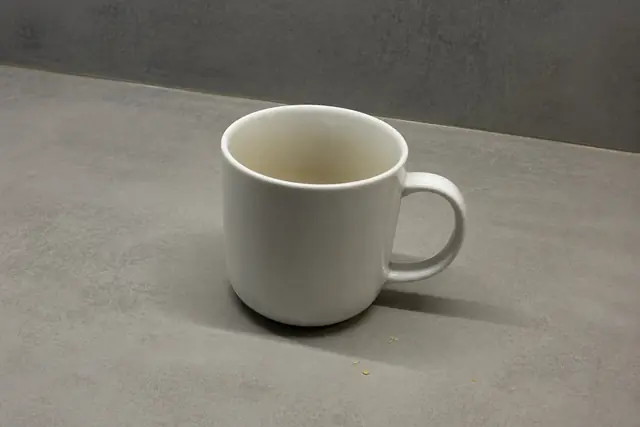
What research shows without oversimplifying.
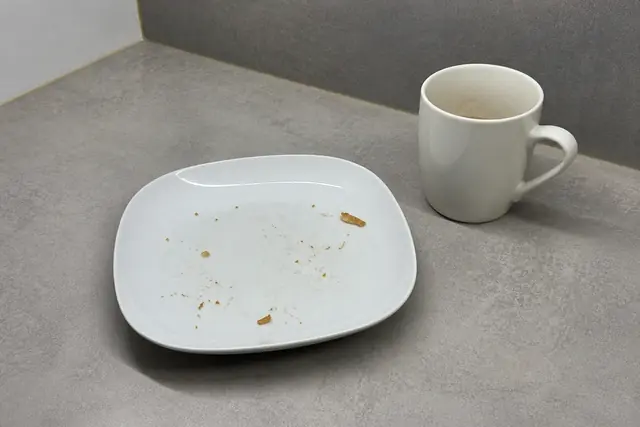
The weekly pattern without guilt.
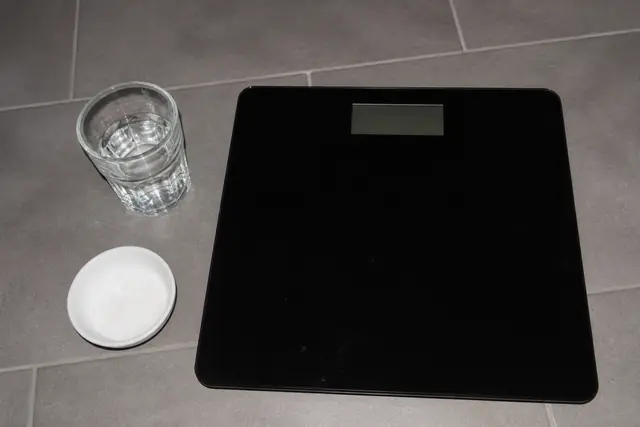
How I interpret a quick scale change.
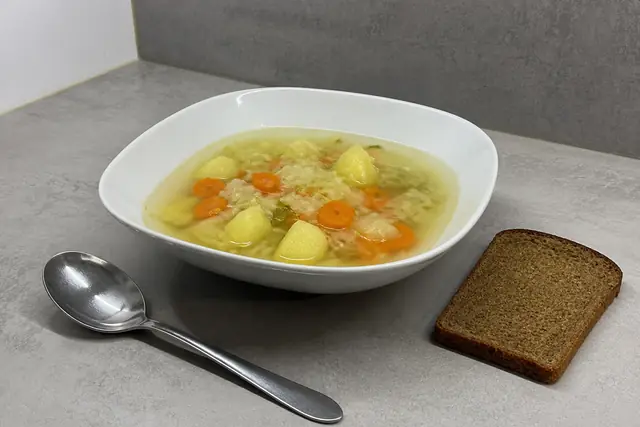
More food for fewer calories without extremes.
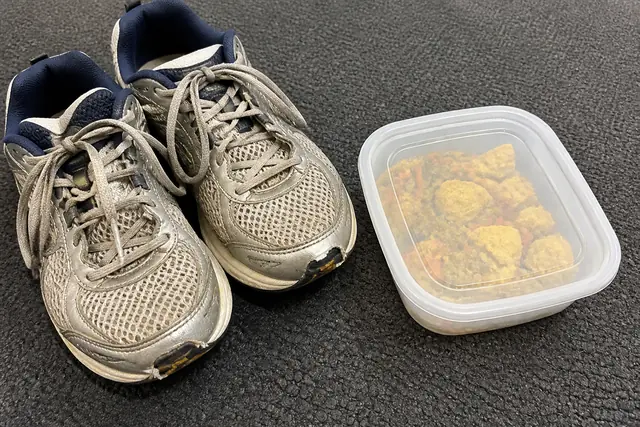
Routines carry the days motivation does not.
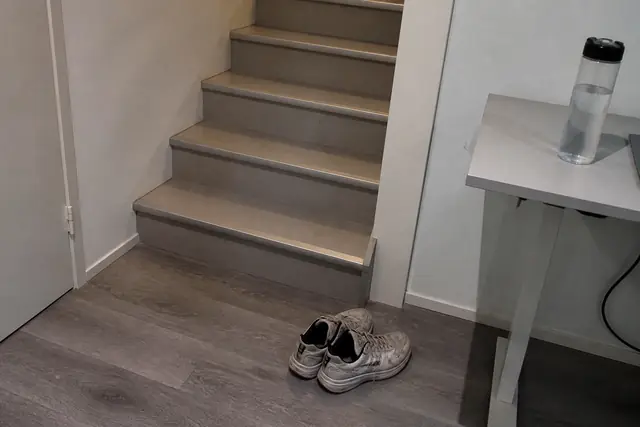
Add movement without exact calorie promises.
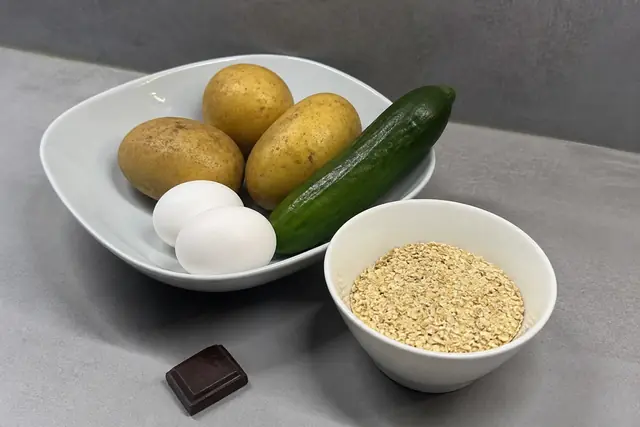
Staple foods and flexibility without purity rules.
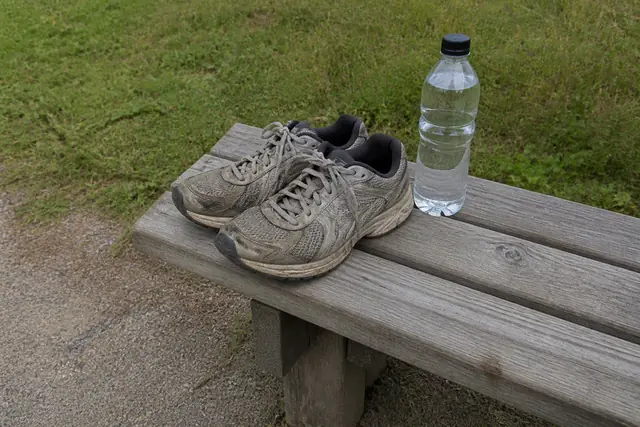
Returning to routines beats punishment.

Sport is not compulsory, but movement has value.
Small repeatable ways to add movement.
What poor sleep changed during my weight loss and how I handle tired days.
The routines I use to maintain a nearly 40 kg weight loss.


This blog is about calorie counting and weight management from the point of view of everyday life, not a textbook. The posts are the personal experiences and thoughts of RestinCal's creator, from a journey that involved losing nearly 40 kilos naturally, without fad diets or shortcuts. The goal is not to preach or to sell quick fixes, but to share the insights I would have benefited from when I started. A lot of calorie-counting advice is technical and cold. I wanted to write about these things the way they actually feel in daily life, failures and good moments included.
The articles revolve around a few core ideas. The first is that calorie counting should not be a source of anxiety but a tool that brings clarity. The second is honesty with yourself, because it is precisely the snacks and estimates that slip by unnoticed that often explain why weight will not move as expected. The third is the power of routines. Motivation comes and goes, but everyday habits carry you even when enthusiasm runs out. On top of these I write about practical matters, such as how basal metabolism is calculated, how to cut calories without constant hunger, and how to make tracking a sustainable part of life.
The blog is meant above all for the beginner who is thinking about starting to count calories but is afraid it will turn into an obsession. It also suits you if you have tried before and given up, because tracking felt too laborious or too strict. I am not a dietitian or a doctor, just an ordinary person who found an approach that works and wanted to share it. That is exactly why the texts are personal and honest, not official guidance. I hope they lower the barrier and give a realistic picture of what long-term weight management actually looks like.
You can read the articles in any order, but I recommend starting with the topic that feels most relevant to you right now. If you need motivation, read about routines. If your weight will not move, read about hidden calories and honesty. If you are just starting out, get familiar with basal metabolism and setting a calorie target. Alongside the blog it is worth trying the tools themselves, because reading and doing support each other. You can work out your own energy needs with the BMR calculator, start tracking with the calorie calculator, and follow your progress in the weekly summary. That way ideas turn into practice.
When I started losing weight myself, the internet was full of contradictory information, strict rules and promises of fast results. Most of it either discouraged me or led me astray. It was only when I began to look at things more calmly and over a longer time frame that sustainable progress started to happen. I wanted to write exactly the kind of posts I would have needed back then. I do not try to be an expert or pretend I have all the answers. I share what worked for me, and I am honest about what did not work too. I believe that genuine, human experience helps more than perfect but distant advice. If even one post gives you an insight or the encouragement to keep going, the blog has done its job. Weight management is a marathon, not a sprint, and along the way it is allowed to stumble and to learn.
These posts are personal experiences and thoughts, not medical or nutritional advice. RestinCal is a tracking tool, not a healthcare service. Every body and situation is different, so what worked for me will not necessarily work for everyone. If you have medical conditions, a history of eating disorders, a special diet or other health concerns, talk to a doctor or dietitian before making big changes. Treat the numbers as tools, not verdicts, and be kind to yourself along the way.