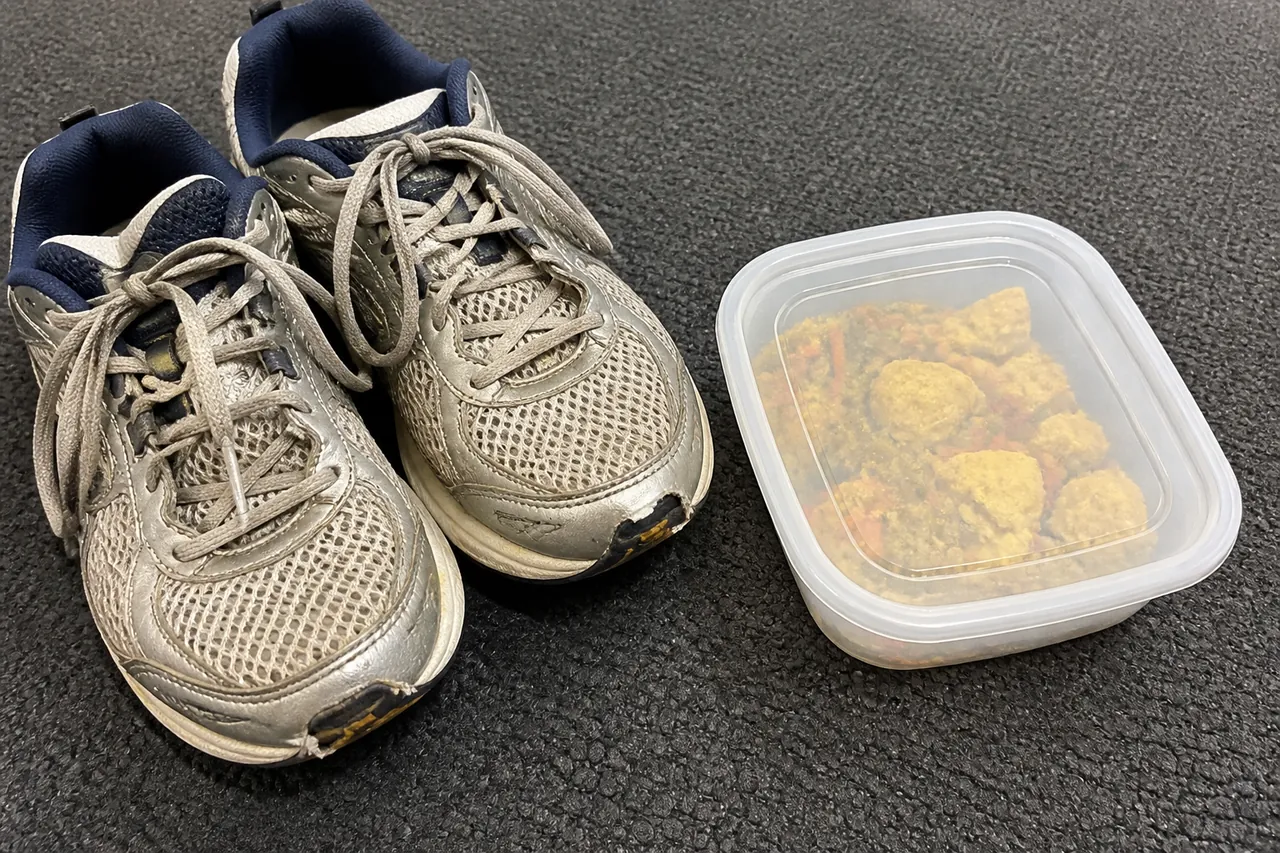
Motivation was not constant during my loss of nearly 40 kilograms. Determination did not mean wanting to track, walk and cook every day. It meant making a few actions easy enough to repeat and returning after an imperfect day.
Motivation starts; structure continues
A powerful reason can help someone begin, but feelings change with sleep, stress and ordinary life. I stopped waiting to feel fully motivated. I kept walking shoes visible, used familiar meals and logged food in a way that gave me information.
Research on self-monitoring suggests that tracking diet and activity can support weight loss in structured interventions, but no single behaviour technique works consistently for everyone. An app is a tool, not determination stored inside a phone.
Make the next action smaller
“Lose all the weight” is not an action I can complete today. Logging breakfast, preparing lunch or taking a short walk is. When a plan repeatedly fails on busy days, I make the step easier rather than declaring myself lazy.
What I return to
- A calorie target that is not unnecessarily aggressive.
- Ordinary meals I know how to prepare and log.
- Walking that fits an average day.
- A multi-week weight trend instead of one reading.
- The next normal meal after an unplanned one.
I also distinguish determination from rigidity. Continuing toward a goal can include changing the route. Illness, pain, medication, mental health and life circumstances may require a different plan or professional support.
When progress slows
I first check the information: have portions, weekends or activity changed? I avoid immediately cutting calories sharply. A plateau may include water fluctuation, and a few days are not enough to define it. One modest adjustment is easier to evaluate.
Common questions
How do I stay motivated every day?
You probably will not. Build routines that can function when motivation is average.
Should I set a large goal?
A large direction can matter, but daily actions need to be concrete and manageable.
What if I keep restarting?
Review whether the plan is too strict, reduce the next step and seek support if eating or tracking causes distress.
Plan for the day that usually happens
I used to make plans for my most motivated self. A better routine fits a day when work runs late, sleep is average and cooking does not sound exciting. Keeping one easy meal available and choosing a minimum walk makes the plan usable.
Environment helps. Food supporting the plan is easier to choose when already bought or prepared. Walking is easier when shoes and clothing are ready. These details reduce decisions at a weak moment.
Determination also includes stopping
Illness, pain or exhaustion may call for rest. Continuing the long-term goal does not require forcing the planned workout. I can protect recovery and return later. Rigidity is not commitment.
If weight management is dominated by fear, severe restriction, bingeing or compulsive exercise, qualified support is more appropriate than another motivational rule.
Measure the routine, not only the final result
Body weight can fluctuate even when the actions are consistent. I therefore notice whether I logged honestly, prepared meals and walked as planned. These are behaviours I can perform today; the scale responds on its own timetable.
This does not mean ignoring results. If the longer trend does not move, I review the plan. It means avoiding the conclusion that a noisy week proves I have no determination.
Support is a practical tool
Telling another person about the next concrete step can make it easier to do. Support might come from family, a friend or a professional. It should not become surveillance or humiliation.
I prefer help that asks what would make the routine easier. Encouragement works better for me when it is connected to an action, not a slogan.
Use setbacks as a design test
If the same situation breaks the plan repeatedly, it contains useful information. A late meeting may require a prepared snack. A difficult evening may need a ready dinner. I ask what was missing from the environment instead of making another promise to be stronger.
This approach is less dramatic than motivation, but it helped me. The goal is not to remove choice completely. It is to make the choice supporting the goal visible and practical.
What I do when determination is low
I make the next action smaller. Instead of trying to repair an entire week, I prepare one ordinary meal, take a familiar walk or enter what I have already eaten. A completed small action gives me useful information. A dramatic promise usually does not.
I also check whether the plan itself is reasonable. Constant hunger, poor sleep and a schedule with no room for normal life can make any person feel undisciplined. Sometimes persistence means adjusting the plan so that it can actually be repeated.
Sources and further reading
Reviewed 6 August 2026