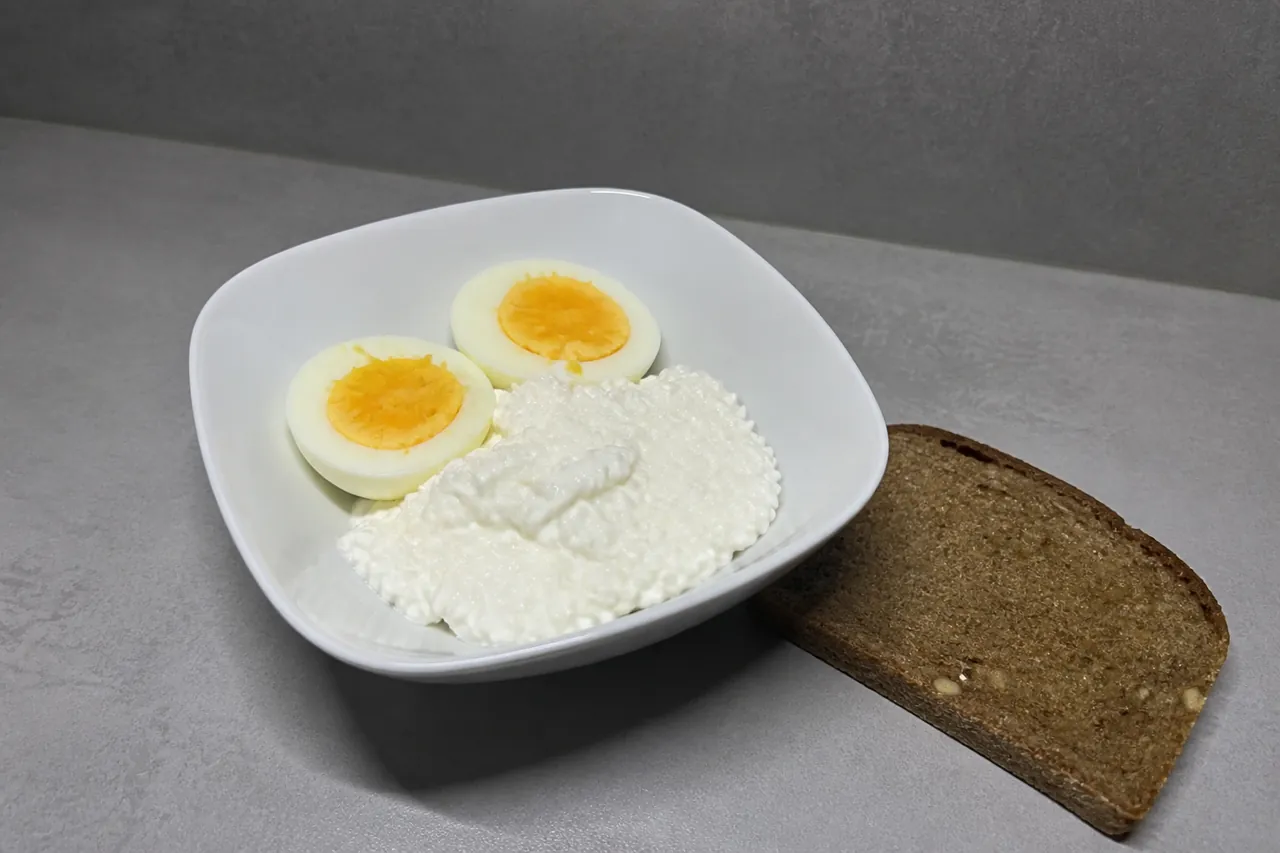
When the goal is fat loss, protein quickly becomes part of the conversation. It also came up during my own loss of nearly 40 kilograms. I did not begin by chasing a perfect gram target every day. The practical difference was simpler. A normal meal containing protein made it easier for me to keep a meal rhythm than a day built around small snacks.
Why protein matters in an energy deficit
Weight lost during an energy deficit can include both fat and lean tissue. Adequate protein and resistance training are practical ways to support lean-mass retention, although neither can guarantee that every lost kilogram comes only from fat.
A systematic review found that protein intakes above the standard recommendation modestly reduced lean-mass loss during energy restriction on average. Results differed between studies and people. That is more useful to know than treating one high number as mandatory for everyone.
Start with the ordinary recommendation
The Nordic Nutrition Recommendations give healthy adults a recommended intake of 0.83 grams per kilogram of body weight per day and 10 to 20 percent of energy from protein. When total energy intake is lower during intentional weight loss, protein's percentage of calories may need to rise so that the basic recommendation is still met.
The popular target of 1.6 to 2.2 grams per kilogram is not an official requirement for every person losing weight. Research has used many intakes, and a higher amount may be useful in some situations, especially alongside training and an energy deficit. Age, body size, diet, activity and health all matter. A calculator can offer a starting point, not a medical prescription.
Protein can help with hunger, but it is not magic
Protein-rich meals often feel filling, but no food guarantees the same hunger response for everyone. The whole meal matters. Protein works alongside vegetables, fibre, a suitable amount of fat and a portion large enough for the person eating it.
For breakfast I may use eggs, cottage cheese or quark. At lunch and dinner the source might be chicken, fish, minced meat, tofu, beans or lentils. The useful question is not whether a food has a fitness label. It is whether the meal fits the day and is something I will genuinely keep eating.
How I spread protein across the day
I find it easier to include a source at several meals rather than leave nearly everything for dinner. This is a practical routine, not a rule requiring identical portions at exact times. If breakfast is small, lunch can be larger. If I train later, I can arrange meals around that without turning eating into a timetable.
A simple check works better for me than constant calculation. I look at the main meals and ask what the protein source is. If the answer is unclear, I add something ordinary, such as quark, eggs, beans or a suitable portion of the main dish.
More protein does not automatically mean more weight loss
Protein provides roughly four kilocalories per gram. Changing a food's label to “high protein” does not remove its energy. Weight trend is influenced by the relationship between the whole diet and expenditure over time.
It is also easy to crowd other foods out. Vegetables, fruit, whole grains and sources of unsaturated fat still belong in a varied diet. I would rather meet a sensible target with ordinary food than force a huge number through products I do not need.
Animal and plant sources can both fit
Beans, lentils, tofu, peas, nuts and grain products can contribute protein and other nutrients. Dairy, eggs, fish, poultry and meat are other options. A mixed diet does not require each plant-based meal to contain a perfect amino-acid combination. Variety across the day and week matters more.
When individual advice matters
A healthy adult and a person with kidney disease should not be given the same blanket advice. Kidney disease, other medical conditions, pregnancy, older age and demanding training can all change the conversation. If you have a condition or treatment plan affected by protein intake, agree on the amount with a doctor or registered dietitian.
Common questions
Is 0.83 grams per kilogram enough during weight loss?
It is the Nordic recommended intake for healthy adults, not a personalised optimum for every energy deficit. Some people may benefit from more, but the target should fit the whole situation.
Do I need protein powder?
No. It can be convenient, but ordinary foods can cover protein needs. Powder is not automatically better than food.
Does protein damage healthy kidneys?
This question cannot be settled with one sentence for every intake and every person. People with kidney disease or relevant health concerns should get individual guidance rather than copy a target from the internet.
Sources and further reading
Reviewed 6 August 2026