My loss of nearly 40 kilograms did not happen because every day was perfect. It happened because I returned to ordinary routines after days when I ate more than planned or moved less. Learning to continue was more useful than learning to punish myself.
The all-or-nothing approach makes one unplanned meal feel like the end of the week. I know that thought: the plan has already failed, so nothing else matters today. The problem is not a scientifically measurable tank of willpower running empty. The plan is simply too rigid to survive normal life.
Self-compassion is not giving up
Being kind to yourself does not mean pretending choices have no consequences. It means looking at what happened without turning the event into a judgment about your character. I can acknowledge that I ate more than intended and still decide that the next meal will be normal.
A systematic review described self-compassion in weight management as promising, but the evidence was not clear enough to guarantee better weight outcomes. That distinction matters. I use self-compassion as a practical way to return to my routines, not as a miracle technique.
What punishment looked like for me
Punishment could be an unrealistically low calorie target, an extra workout intended to erase food or harsh self-talk after a weigh-in. None of these made the next sensible decision easier. They kept attention fixed on the mistake.
Calorie tracking worked better when I used it to collect information. The number showed what I had recorded. It did not say whether I was a good or bad person. If portions had grown or evening eating had become frequent, I could change one practical part of the day.
The next meal matters more than a dramatic reset
After eating more than planned, I do not need to fast for the next day. I return to the meal pattern that normally works for me. A regular breakfast or lunch is less dramatic than compensation, but it prevents one exception from turning into a long swing between restriction and overeating.
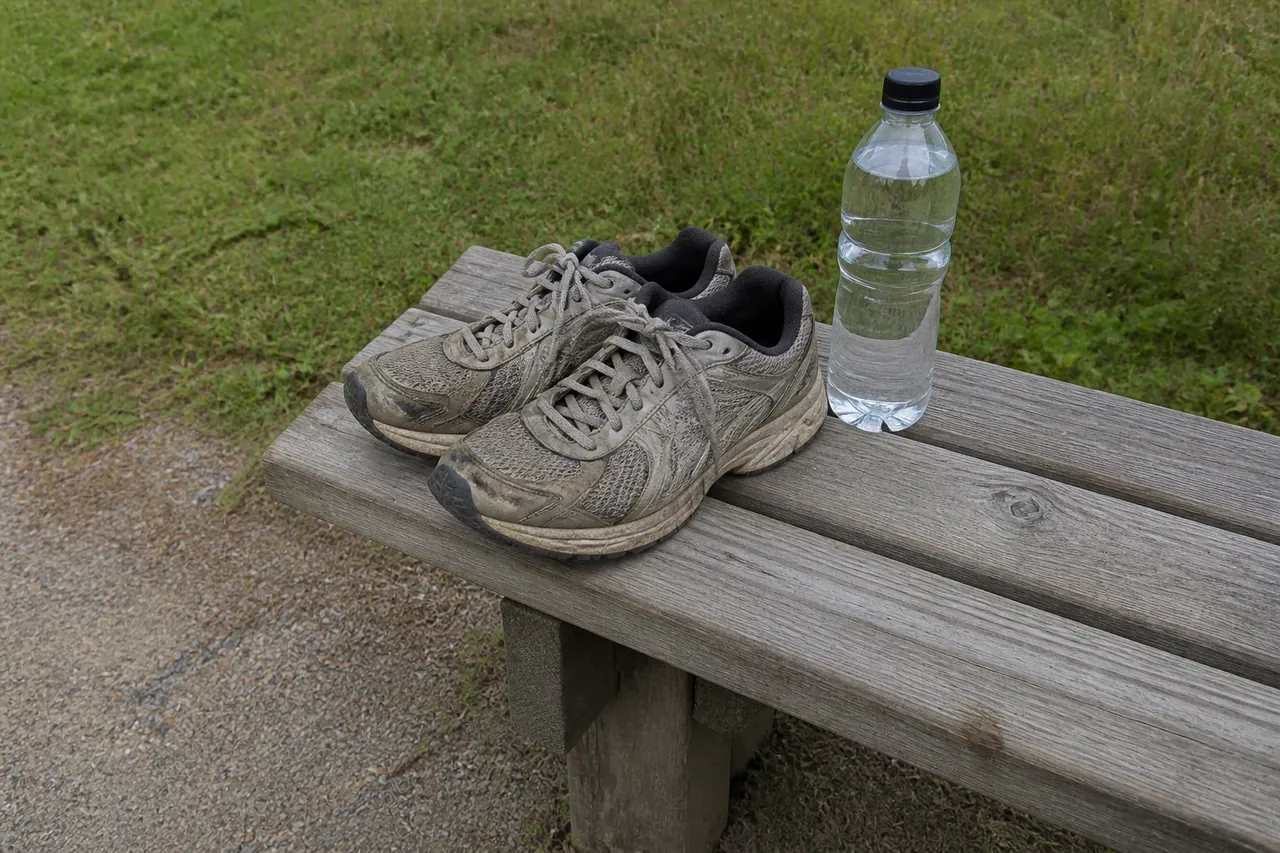
The same applies to movement. A missed walk does not require a punishing replacement session. I can put my shoes on tomorrow and continue. Repetition is built from returns, not from a record of never missing anything.
A short review without blame
- What actually happened, without exaggerating it?
- Was I hungry, tired, stressed or simply enjoying an occasion?
- Was the plan too strict for the situation?
- What is one small change that would make tomorrow easier?
- Can I return to the next normal meal instead of waiting for Monday?
Sometimes the answer is practical: prepare food, buy an easier lunch or go to bed earlier. Sometimes there is no correction to make. A celebration can be part of normal life. Long-term habits are not destroyed by one meal.
When weight management needs more support
Self-compassion is not a substitute for treatment. If calorie tracking, eating or exercise becomes compulsive, frightening or tied to purging, bingeing or severe restriction, the right step is qualified healthcare support. A tracking tool should never become a way to harm yourself.
Compassion can still be specific
I keep the goal visible. I can follow calories, the weight trend and my walks without turning every deviation into failure. Compassion changes how I respond to information. When something is not working, I adjust the plan instead of attacking myself.
A useful correction is small enough to do on the next ordinary day. I might prepare lunch, shop with a list or go to bed earlier. One concrete action is more likely to move the routine forward than a dramatic new beginning.
Common questions
Does being kind to myself mean ignoring the goal?
No. It allows the goal and the facts to remain while removing unnecessary personal attacks.
What should I do after overeating?
Return to your usual next meal, notice any useful pattern and avoid an extreme compensation cycle.
Can self-compassion cause weight loss?
Current evidence is promising for some health behaviours, but it does not justify a guaranteed weight-loss claim.
The amount of tracking also deserves attention. If daily weighing or logging every bite starts controlling mood, the method is no longer serving its purpose. Tracking can be reduced, trends can be reviewed less often, and professional support can help. The goal is to build a workable life, not pass a perfection test.
For me, the most useful response is usually quiet and practical. I return to the next normal meal and keep the rest of the day recognisable. That protects the routine better than punishment does.
Sources and further reading
Reviewed 6 August 2026