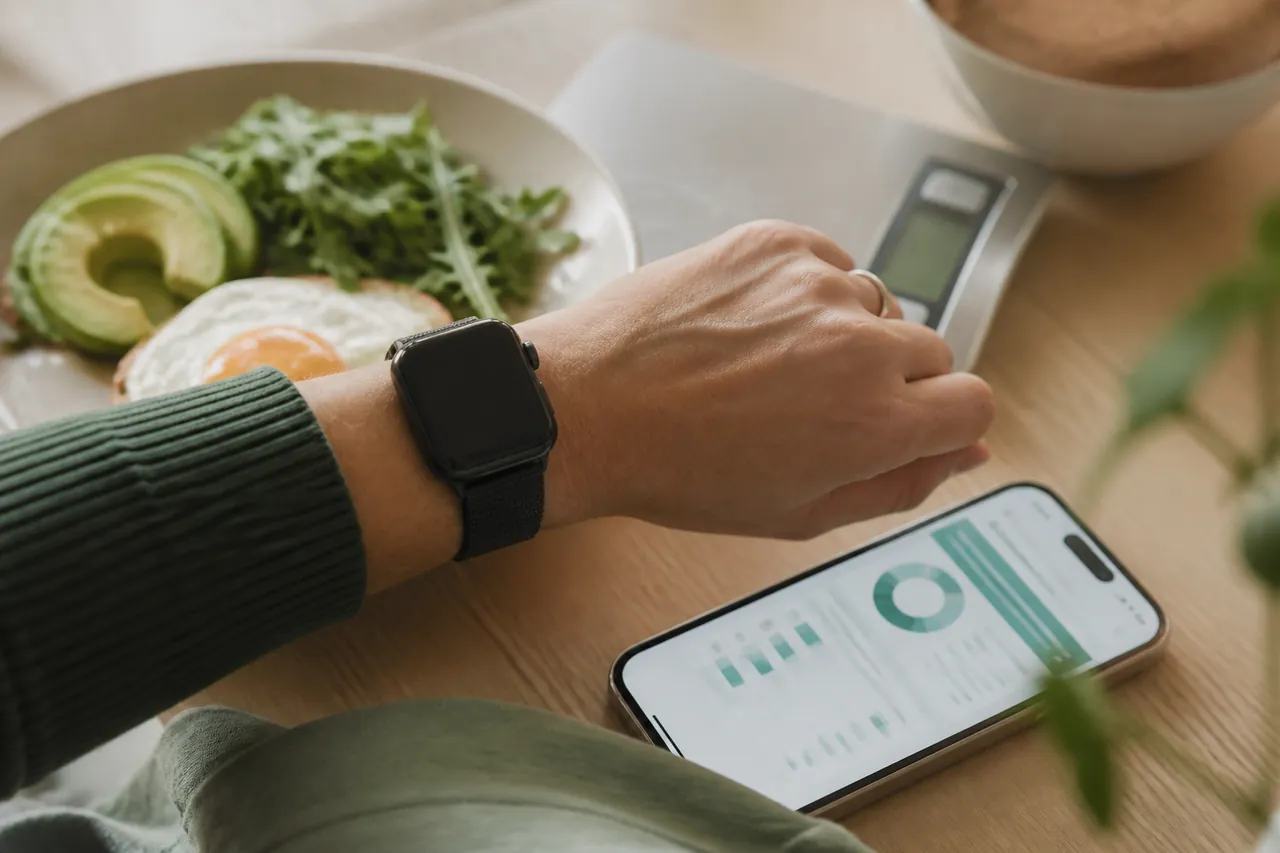
A smartwatch was not something I originally considered essential. I owned a cheaper Honor Choice Watch and mostly used it to glance at my step count. It covered the basics, but I never got to the point where it felt like a natural part of everyday life or my calorie tracking. After reading many positive experiences, I decided to try an Apple Watch SE 3, the 44 mm Cellular model.
Ten months later, I can honestly say that the difference has been substantial in my own use. That does not mean everyone needs an expensive watch or that a cheaper device is automatically bad. The Apple Watch has simply felt consistent and unobtrusive enough that I actually use it. That matters more than any feature list.
A cheap and an expensive watch are not always the same kind of purchase
One thing I did not think about when buying my first watch was value retention. The new price of the Honor watch fell by about 80 euros within a year of my purchase. In practice, that means there is not much resale value left for a used watch, even if it works perfectly. It did not make the watch bad, but it changed how I think about a cheap purchase.
The Apple Watch has been different. Ten months after I bought it, its price was briefly even higher than when I made the purchase. A used watch does not follow the new price in a straight line, and I do not think of a watch as an investment. Still, my own estimate is that I could currently sell it for around 220 to 250 euros. The percentage loss is then clearly smaller than with the cheaper watch. When the device is also used every day, the whole purchase makes sense to me.
Active energy makes each day individual
The most useful part of the watch for me is not notifications or watch faces, but following active energy. At the same time, I use RestinCal's BMR calculator to estimate my resting metabolism. If the calculator gives me 1,800 kcal a day and the watch shows 550 kcal of active energy by the end of the day, I get a practical estimate of total expenditure by adding 1,800 and 550, which is about 2,350 kcal.
The important detail is to use active energy, rather than any total energy figure the watch may show. Resting metabolism is already included in my BMR estimate, so adding total energy on top of it could count the same thing twice. This does not turn the number into a laboratory measurement, but it gives me a much better starting point than forcing the same activity multiplier onto every day.
Days are different. On a hard gym day, I rarely feel like taking a long walk as well. On another day, work, walks, shopping and other movement can add up even without a proper workout. I used to leave these differences to guesswork. Now I can see whether a day was calm or active without pretending that every day is the same.
Accuracy does not mean perfect truth
In my own use, the Apple Watch numbers have seemed consistent with everyday activity and my longer weight trend. That does not make its energy figure an exact measurement. Reviews of wrist wearables have found considerable variation in energy expenditure estimates, so I treat the number as directional. The watch does not know everything about my body, workout quality, recovery or how precisely it sits on my wrist. I would not use its number as permission to blindly eat everything back.
The approach that works for me is to treat the watch's energy figure as one data point among others. A weekly weight average, honest food logging, how I feel and progress over a longer period ultimately tell me more than a number from one day. If the estimated expenditure looks too high compared with real progress for a long time, I need to reassess either my eating or my target. The watch helps me see the direction, but it does not remove the need to think.
Calorie tracking becomes a lighter part of everyday life
The best thing about the watch is that using it no longer feels like a separate project. I put it on in the morning and glance at active energy during the day or in the evening. Logging food in RestinCal has remained its own calm routine. I do not have to try to earn food through exercise, and I do not have to react to every small variation. I simply get a slightly better picture of what my day was really like.
When calorie tracking is based on following both eating and movement, it feels less like guesswork. Not like a perfect system, but like a practical way to make decisions. It fits the idea that has carried my own journey from the start. Numbers are tools, not verdicts. A smartwatch is one of those tools for me, and after ten months it has earned its place on my wrist.
Sources and further reading
Reviewed 6 August 2026