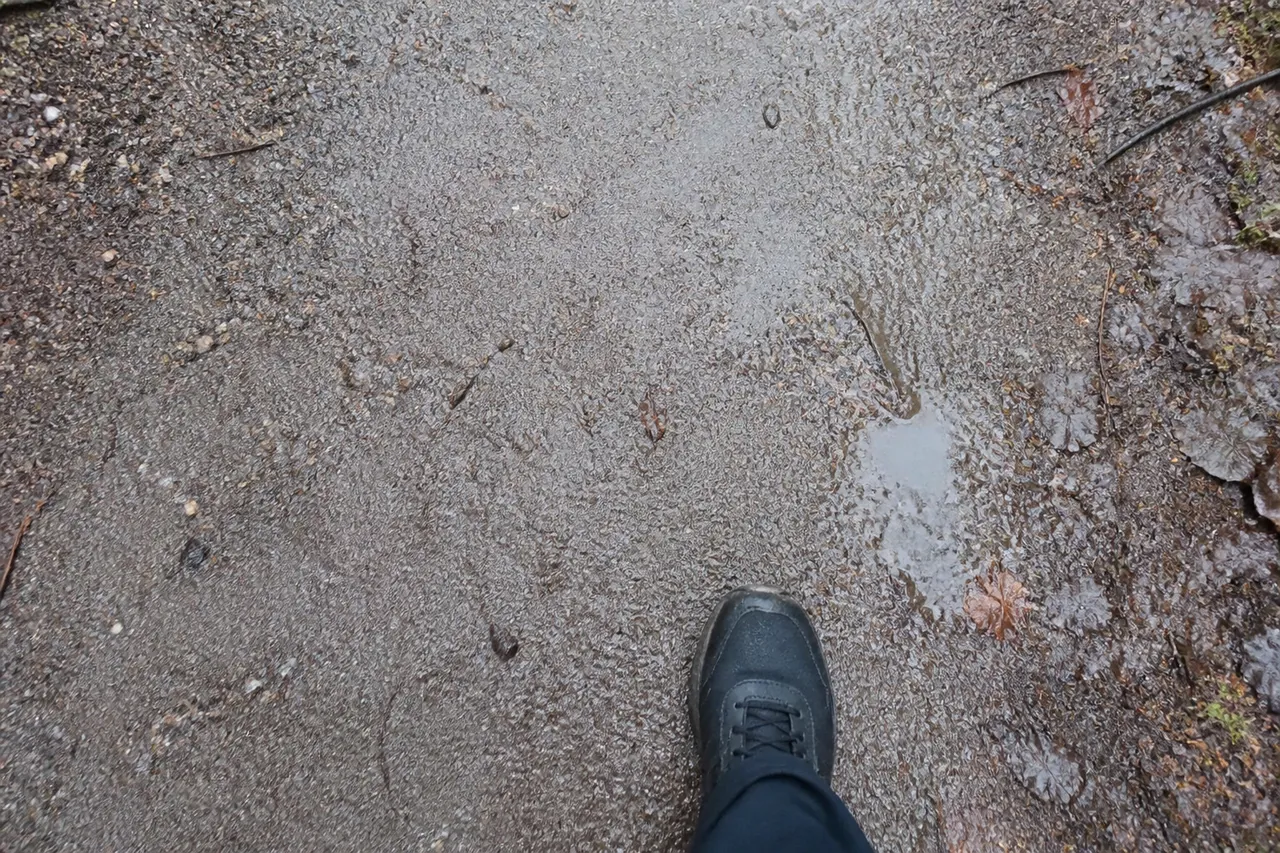
Exercise helps with weight management, but I would not tell anyone that hard training is required before weight loss can begin. I lost nearly 40 kilograms through calorie tracking, walking and routines I could repeat. For much of that journey, ordinary movement mattered more to me than an impressive training plan.
Food intake and total expenditure determine the longer energy balance. Exercise can increase expenditure, but the amount varies and devices only estimate it. I do not use a watch reading as permission to eat back every reported calorie.
Weight can fall without a gym membership
A person can create a calorie deficit without formal exercise. That makes the answer to the title straightforward: sport is not compulsory for the scale to move. This does not make exercise unimportant. Movement offers benefits that a lower number on the scale cannot fully describe.
WHO guidance links regular physical activity with better cardiovascular and metabolic health, sleep, mental health and physical function. The size of the benefit and the safe starting point depend on the individual. Someone who has been inactive does not need to begin with the hardest possible session.
Movement gave my day more structure
Walking helped me spend less of the day sitting. It also created a break between thoughts and actions. If I was restless or thinking about food, going outside gave me something else to do. I do not claim it switches off emotional eating for everyone, but it was a useful pause in my own routine.
I stopped thinking that exercise only counted when it was exhausting. A normal walk on a tired day was often more valuable than a punishing workout I would avoid repeating. This changed movement from a punishment for eating into something I did for myself.
Why strength work deserves a place
Scale weight does not show how much fat-free mass has been retained. A recent systematic review found that adding resistance exercise to diet-induced weight loss helped reduce loss of fat-free mass and improved strength. The review did not show that resistance training was necessary for every person or that it guaranteed a particular body shape.
I do not want to invent a personal gym transformation here. My own reliable experience is calorie tracking, walking and consistent routines. Strength work can still be introduced at an appropriate level, at home or in a gym, especially when technique, health limitations and recovery are considered.
More exercise is not always the better answer
A common mistake is to react to a higher weigh-in or a large meal with an extreme workout. A single day does not need to be erased. Suddenly increasing duration or intensity can cause excessive soreness or injury and make the whole routine harder to continue.
I prefer a minimum I can repeat: an ordinary walk, some movement during the day and, where suitable, strength work. Progress can come later. The first goal is to build a relationship with movement that survives an average week.
Practical starting points
- Choose a form of movement that is accessible and tolerable.
- Begin below your maximum so there is room to repeat it.
- Do not treat exercise calories as an exact food allowance.
- Include recovery and increase the load gradually.
- Seek professional guidance when pain, illness or medication affects exercise.
Exercise does not have to look athletic
The word exercise can bring up images of a gym, running or a demanding class. My starting point was more ordinary. Walking fitted into the day without much organisation, so it happened repeatedly. Movement became part of my normal rhythm rather than a test of motivation.
If an activity causes pain, it does not have to be chosen because someone else calls it efficient. Walking, cycling, swimming, home strength work and adapted activity are possibilities. The safe starting point depends on health, ability and previous activity.
Common questions
Can I lose weight through walking?
Walking can contribute to expenditure and health, but food intake and the overall energy balance still matter.
Is strength training mandatory?
No, but evidence supports it for helping preserve fat-free mass and strength during dietary weight loss.
What is the best exercise?
There is no single answer. A safe activity you can repeat is usually a better start than the theoretically perfect plan you cannot sustain.
I also separate progress from soreness. A workout does not need to leave me exhausted to have value, and soreness is not a reliable score of quality. Technique, gradual progression and recovery matter more than proving how hard one session felt.
Sources and further reading
Reviewed 6 August 2026