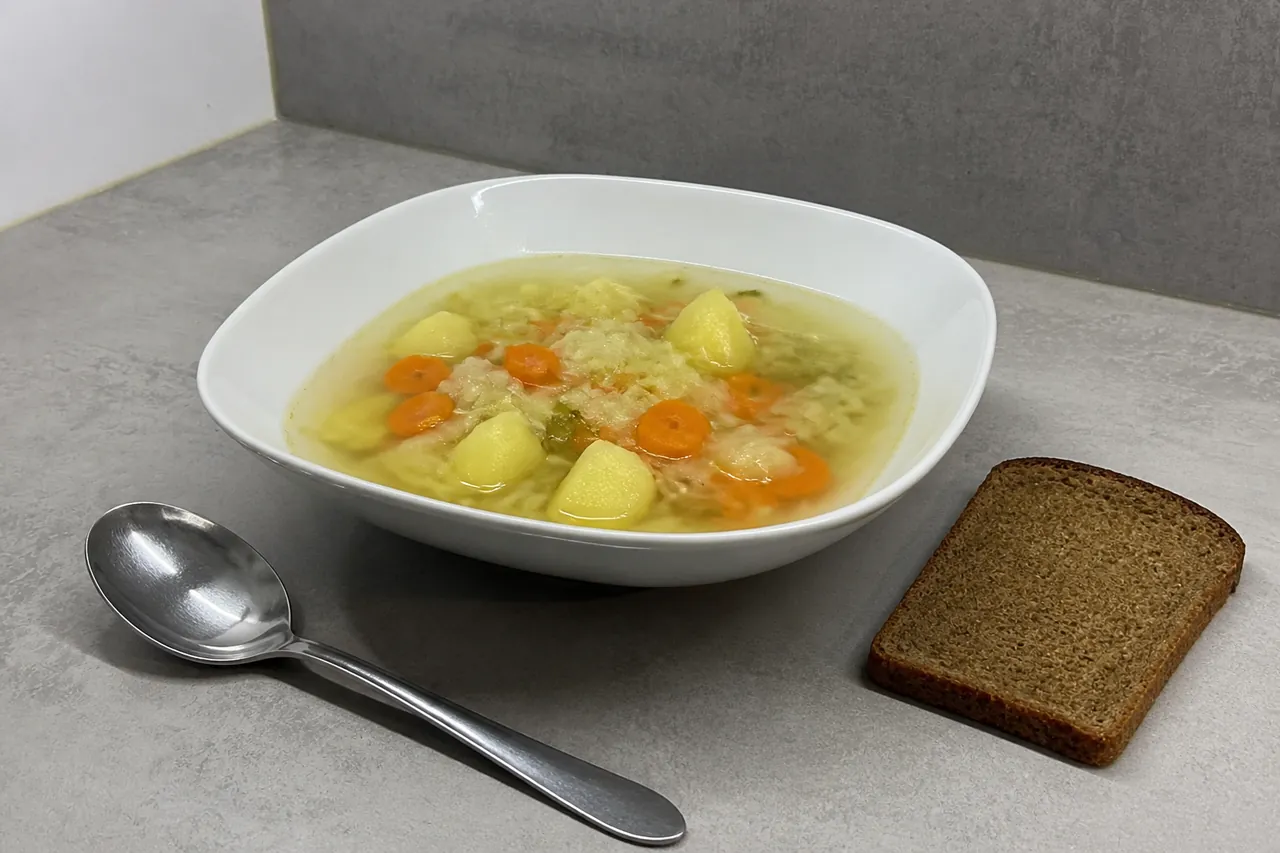
Calorie tracking taught me that two meals with similar energy can look very different on a plate. During my loss of nearly 40 kilograms, vegetables, potatoes, soups, berries and leaner protein sources helped me build meals that felt substantial without using the whole calorie budget at once.
Energy density in plain language
Energy density means the amount of energy relative to the weight of food. Water-rich vegetables and soups can add weight and volume with relatively little energy. Fat is energy-dense, so oils, nuts, cheese and sauces can raise meal energy quickly even when the portion looks small.
This does not make fat bad or vegetables unlimited. Dietary fat is necessary, and a large dish can still contain many calories depending on ingredients. Volume eating is a tool for arranging a meal, not a rule to maximise the physical amount at every sitting.
What made meals work for me
- I started with a clear protein source.
- I added vegetables, fruit or berries that I actually liked.
- I used potatoes, oats, rice or pasta in a measured but normal portion.
- I counted oils, dressings and sauces instead of pretending they disappeared.
- I left room for smaller energy-dense foods I enjoyed.
Protein, fibre, texture, taste, speed of eating and personal habits all affect fullness. Energy density does not predict every person's appetite perfectly. If a huge salad leaves someone hungry an hour later, the answer may be a more complete meal, not an even larger pile of lettuce.
Simple swaps without diet food
I can add vegetables to a familiar sauce, make a soup with potatoes and protein, mix berries into yoghurt or serve a smaller energy-dense side next to a larger ordinary meal. The aim is not to water food down until it tastes bad. Food still needs to be enjoyable enough to repeat.
Common questions
Can I eat unlimited low-calorie food?
No food needs an unlimited rule. Appetite, digestion and total intake still matter.
Are potatoes suitable?
Potatoes can fit well; preparation method and additions affect the final energy.
Is volume eating safe for everyone?
Very large high-fibre meals may not suit digestive conditions, and individual advice may be needed.
Liquids and cooking method need context
Water-rich food adds volume, but drinking calories and eating solid food do not always feel equally filling. I prefer a complete soup with vegetables and protein to assuming any large drink replaces a meal. Smoothie ingredients still count.
Cooking method changes the result. Potatoes boiled or baked with modest additions differ from potatoes cooked with much oil. Vegetables can become energy-dense when sauces, cheese and oil are added freely. Those ingredients are not forbidden; visibility is useful.
Volume should not become another rigid rule
I do not need the lowest-calorie version of every food. Sometimes a smaller portion of a favourite is more satisfying than a huge substitute. People with digestive symptoms may also find very large portions or sudden fibre increases uncomfortable.
The method should make ordinary eating easier, not turn fullness into a competition.
An ordinary volume-eating plate
I start with food I would eat even without a diet label. A portion of chicken, fish, eggs, beans or another protein source forms the centre. Potatoes, rice or pasta provide a familiar carbohydrate, and vegetables increase colour and volume. A measured sauce or fat keeps the meal enjoyable.
This is deliberately ordinary. Special low-calorie products are optional. Frozen vegetables and canned beans can make the same idea faster and cheaper.
Do not forget total nutrition
Chasing the largest possible plate can crowd out fats, protein or energy that the body needs. Someone with high energy needs may require more energy-dense food, not less. Weight loss advice is not suitable for everyone.
I use volume when it helps hunger and adherence. If it creates bloating, obsession or unsatisfying meals, the method needs changing.
Budget and preparation
Volume eating does not require expensive fresh produce at every meal. Frozen vegetables, seasonal cabbage, carrots, potatoes, oats and beans can be practical. I choose ingredients I can store and use before they spoil.
Preparing a pot of soup or roasting several portions of vegetables reduces work later. I still calculate the recipe from the ingredients actually used, especially oil and toppings. Repeating a known recipe makes both cooking and tracking easier.
How I judge whether a meal works
I do not judge a meal only by its size. I notice whether it contains a useful protein source, whether I enjoyed it and whether I am looking for more food soon afterwards. A slightly smaller complete meal often works better than a huge bowl made almost entirely from low-calorie vegetables.
I change familiar meals gradually. Adding frozen vegetables to a sauce or serving potatoes with protein is easier for me to repeat than building every plate around special diet products. The result still has to taste like normal food.
Read next: how to count calories (beginner's guide), how to lose weight and the lowest-calorie fast food options.
Sources and further reading
Reviewed 6 August 2026