A weight loss journey or a major lifestyle change almost always starts easily. I remember those first few weeks myself, when everything ran on pure novelty and massive excitement. I woke up full of energy, planned the coming week's meals down to the grocery lists, and every smart choice brought a sense of accomplishment. At that stage, I was absolutely sure that with this same energy and willpower, I would cruise straight to the finish line.
This initial rush can be quite a trap, though not always, of course. After a couple of months, that peak excitement faded, ordinary and gray everyday life stepped in, and those old habits learned over the years started to look tempting again.
While losing nearly 40 kg over two years, I quickly realized one of the most important rules of weight loss: in the long run, motivation is pure illusion. It's a fleeting emotional state that comes and goes as it pleases, and you can't build anything sustainable on top of it. If I had only kept going when I felt good and highly motivated, I would have quit during the first tough week and never reached my goals.
The Pitfall of Motivation: Why the Initial Rush Always Fails
Why can't you trust motivation? Motivation is pure emotion, and emotions are affected by absolutely everything external: how I slept, whether there was stress in other areas of life, what the weather is like outside, and how body hormones are buzzing at that exact moment. When everything else in life is going well, the sun is shining, and you feel rested, it runs like clockwork. But when you hit a poorly slept night, a stress-filled day, and a rainy November Tuesday afternoon, that's usually when motivation starts to fade.
No one expects a special inner spark when it's time to pay bills, take out the trash, or leave for work at six in the morning. Those things are done simply because they need to be done; they are part of daily life and everyday actions. Weight loss and taking care of your fitness should be about the exact same thing: action that is separated from how you happen to feel on any given morning. When emotions are cleared out of this equation, the process becomes smoother and more reliable.
When Fatigue Hits, Routines Take the Wheel
Over these two years, it became crystal clear that the outcome wasn't decided on the days when everything was easy and fun. It was decided on the hardest, most boring, and most annoying days. In those moments when I was incredibly tired, highly stressed, and weighing food or cooking a healthy meal didn't interest me one bit.
In my own routine, decisions feel harder toward the evening, especially after a long or stressful day. If I have to repeat the same internal negotiation every night about what to eat, how much to eat and whether I have the energy to log it, slipping away from the plan becomes easier. That is why I try to settle the most common situations in advance.
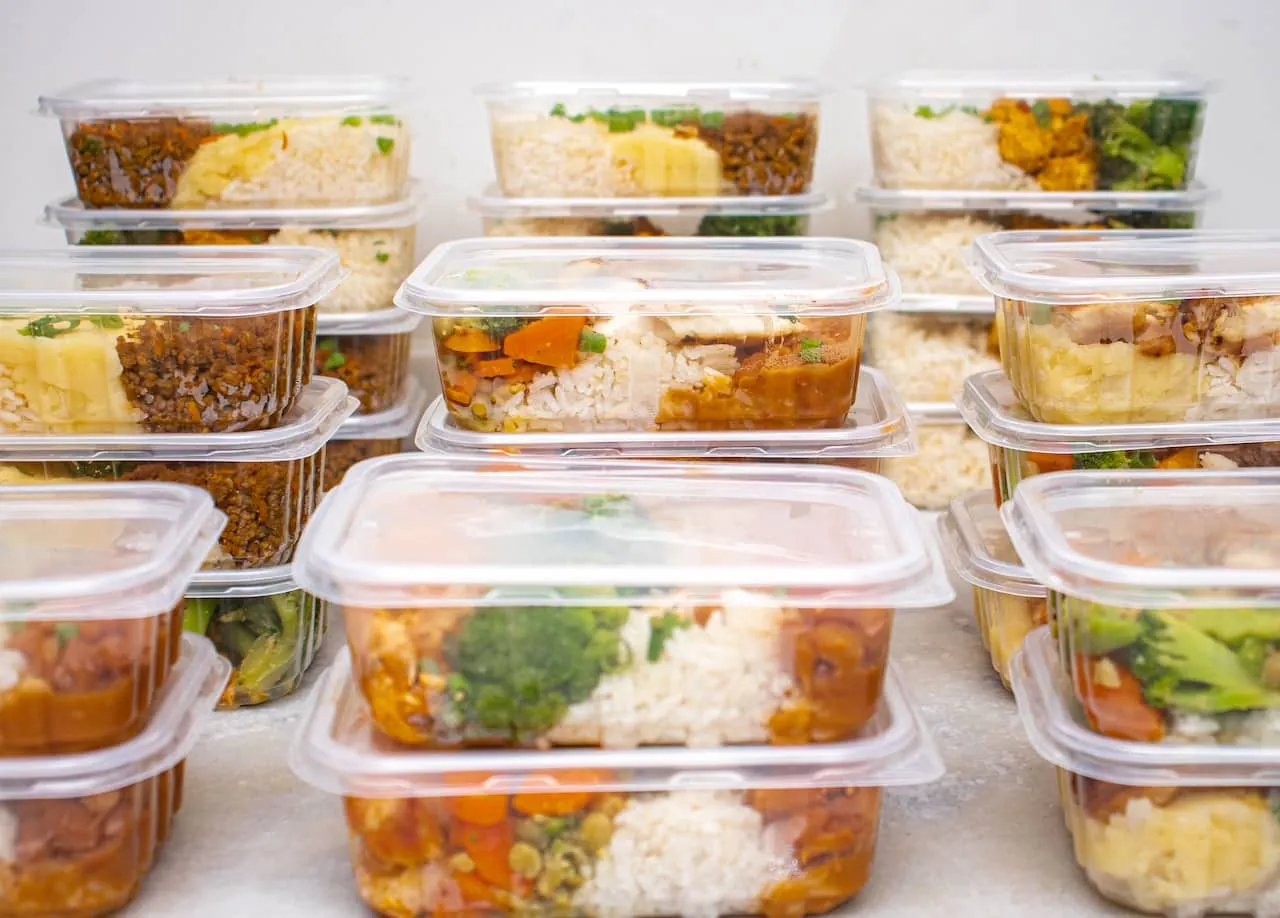
When a person comes home running on empty and hungry, the brain automatically chooses the path of least resistance that provides the fastest energy. If there is no ready plan or pre-made food in the fridge, you will very likely end up ordering something easy or snacking randomly from the cupboards. This isn't due to poor discipline, but rather the brain's biological way of protecting itself from exhaustion.
The solution is automating your daily routine. When these things are turned into routines, they shift to a completely different department in the brain. Away from conscious and heavy thinking, straight to autopilot. Then you don't need to spend any extra mental energy on it. It just happens naturally, just like any other basic everyday chore.
What is the Difference Between Motivation and Routine in Practice?
This comparison reveals how routines eliminate unnecessary emotional agonizing from situations. Counting calories and weighing food eventually became the same kind of automation for me as brewing morning coffee.
| Everyday Situation | Acting on Motivation | Acting on Routine |
|---|---|---|
| After a long and stressful day | Buying quick convenience food or ordering takeout because there's no energy to cook. | A pre-made portion is in the fridge, just needing to be heated up. No need to think about options. |
| Logging food in the app | Only logging when eating went well. Bad days are skipped. | The kitchen scale is turned on automatically before filling the plate, no matter what the food is. |
| Making breakfast in a rush | Grabbing something on the go or skipping it, leading to intense hunger later. | Eating the same familiar breakfast (e.g., oatmeal or a smoothie) whose ingredients are always ready. |
| Weight plateau phase | Excitement drops because results don't show immediately. Quickly returning to old habits. | Continuing basic actions as usual, knowing that weight loss is a steady process that takes time. |
Once this habit was dialed in so that placing a plate on the kitchen scale no longer required any mental effort, all the heaviness vanished from the process. It became a completely neutral, everyday tool that eliminated the daily guessing game of what and how much to eat. There was no more negotiating with myself, just acting according to what was agreed. For me, this was easy because I am a person who keeps commitments made to others. Now I just had to reflect that onto an agreement with myself.
Success Lies in the Boredom
On social media, lifestyle changes are often painted as very colorful, exciting, and varied projects. Fancy recipes, exotic specialty products, and complex workout programs are showcased. This easily creates an illusion that on a diet, you constantly need to try something new and wonderful to keep your interest up.
In reality, it's almost the opposite. For me, a completely boring routine and 100% predictability were the best tools in this two-year journey. When you strip the constant pursuit of novelty from your diet, you clean out a massive amount of stress and opportunities to go astray at the same time.
Eating largely the same, proven basic foods on weekdays saved me an insane amount of time and brainpower:
- Grocery shopping got faster: When the shopping list stays almost the same from week to week (varying what you eat to keep nutrients, vitamins, etc., on point, of course), you don't need to wander aimlessly in the store wondering what to come up with today. I knew exactly which sections I needed, and there was simply no room left for impulse buys or hesitating between shelves.
- Cooking became easier: When I prepared the same familiar meals (like minced meat sauce, chicken and rice, or baked salmon and veggies), I didn't need to glance at the recipe so often. I knew how to make the food quickly by routine, and estimating portion sizes and macros became very smooth and easy.
- Using the calorie counter was straightforward: Using a calorie counter slows down most when you constantly have to search for new products or enter complex recipes. When food items repeat, logging them through the app's history takes only a few seconds a day.
When you don't have to play gourmet chef on weeknights, energy is left for other important things, like rest, exercise, and other leisure activities.
How Do You Actually Build Lasting Routines?
Creating routines requires a conscious effort at first, because the brain resists new habits and always strives for energy efficiency along old, familiar tracks. In my experience, forming a habit takes an average of two to three months. However, the process can be eased with clear practical principles that lower the resistance to change.
Steps to Build a Routine
- Lower the barrier to entry: Make following the new habit as easy as possible. If you want to weigh your food, don't hide the scale at the back of the cupboard under a box; leave it ready on the counter. If you want to eat a healthy lunch at work, prepare it in a container the night before and log it in RestinCal's diary in advance, so the threshold for taking it in the morning is as low as possible.
- Link the new habit to an old one: Take advantage of existing automations. Anchor the new routine to something you already do every day without thinking. For example, you can decide to log your breakfast in the app always while drinking your morning coffee, or pack the next day's meals into the fridge right after eating your evening snack.
- Demand consistency instead of perfection: A single failure doesn't ruin the big picture. Missing one time doesn't destroy a routine, but missing twice in a row already starts a new, bad habit. If you forget to log one meal, don't throw the whole day away; just quietly log the next bite.
Routines Create True Freedom
It is often thought that strict routines and counting calories restrict life and make it inflexible. In reality, it has been completely the opposite in my case. Routines create clear boundaries within which it is safe to operate. When things roll on autopilot during weekdays, you save mental capacity for moments when you want to take it easier. This saved capacity has been nice to use, for example, for working on my own personal projects and learning new things.
This process didn't succeed because I was a completely disciplined person for two years. It succeeded because I accepted the consistency of everyday life and let well-thought-out routines do the job when fatigue weighed me down. Steady, predictable action day after day is the force that brings lasting results.
Sources and further reading
Reviewed 16 August 2026